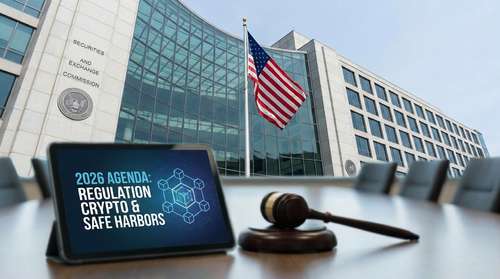
The era of regulation by enforcement in the digital asset space is officially coming to a close. In a landmark move for cryptocurrency regulation 2026, the Paul Atkins SEC has unveiled its updated regulatory agenda, mapping out a comprehensive overhaul of how digital assets are governed in the United States. At the center of this strategic pivot is Regulation Crypto, a bold framework featuring a new SEC crypto safe harbor and clear pathways for digital assets to trade alongside traditional equities. Unveiled on Tuesday, July 7, the 2026 agenda signals a decisive commitment to fulfill the current administration's pledge of making the U.S. the "crypto capital of the world".
What is 'Regulation Crypto' and the SEC Crypto Safe Harbor?
For years, digital asset developers have operated under a cloud of legal ambiguity, fearing retroactive lawsuits for early-stage fundraising. The newly proposed Regulation Crypto is designed to dismantle this uncertainty by establishing a formal SEC crypto safe harbor. Scheduled for public release and comment as early as this July, this initiative represents the most significant regulatory opening for blockchain startups to date.
Fundraising Exemptions for Early-Stage Startups
The core of the SEC crypto safe harbor rests on temporary registration exemptions for developers issuing crypto investment contracts. Under the initial framework sketched out by Chair Atkins, startups will be granted the flexibility to raise capital without triggering immediate securities classifications. Specifically, developers could raise approximately $5 million during their first four years of operation, while larger entrepreneurs might raise up to $75 million annually through qualifying token sales.
Crucially, the proposal introduces a transition period. Once the token creators step back from active managerial efforts and the underlying network achieves sufficient decentralization, the digital asset may escape the "security" label altogether. This rebuttable presumption provides a clear, compliant exit ramp that the industry has desperately lacked for nearly a decade.
Paving the Way for Crypto Stock Exchanges and Broker-Dealers
Integrating blockchain technology with traditional finance requires robust infrastructure, which is why the SEC's agenda prominently features plans for crypto stock exchanges. Currently, institutional investors are often hesitant to allocate capital to digital assets due to the fragmented and sometimes unregulated nature of offshore trading platforms. To solve this, the proposed amendments to the Exchange Act would authorize Alternative Trading Systems (ATS) and registered national securities exchanges to list and clear digital assets.
This means everyday investors could soon see major cryptocurrencies or tokenized real-world assets (RWAs) listed directly next to traditional shares of technology or manufacturing companies. Operating these hybrid markets, however, necessitates modernization of existing intermediary guidelines. To that end, the SEC is rolling out revised crypto broker dealer rules. Broker-dealers will now have a formalized compliance roadmap detailing how to custody on-chain securities without running afoul of the law. These updated crypto broker dealer rules mandate strict insolvency protections, customized liquid capital thresholds, and secure on-chain recordkeeping, ensuring that consumer funds remain insulated from corporate liabilities.
The CLARITY Act: A Dual Path to Compliance
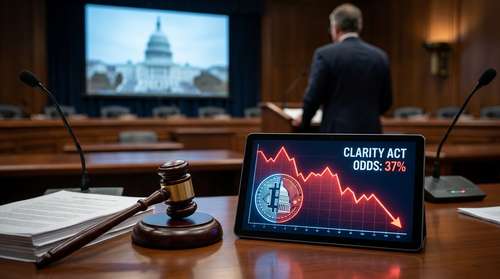
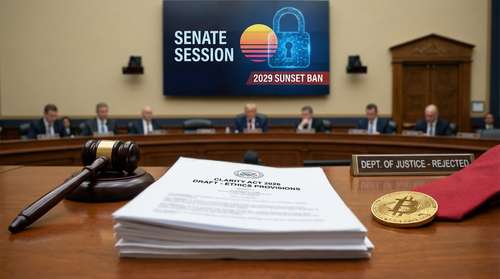
While the Paul Atkins SEC is aggressively pushing administrative rules, the legislative branch is pursuing its own parallel track. The CLARITY Act (Digital Asset Market Clarity Act) is currently facing a decisive period in the U.S. Senate. If passed, the CLARITY Act would fundamentally reorganize federal oversight, granting the Commodity Futures Trading Commission (CFTC) exclusive jurisdiction over spot markets for "digital commodities," while reserving SEC oversight solely for investment contract assets.
Because of looming midterm elections, stakeholders warn that if the Senate does not pass the CLARITY Act before the August recess, it is unlikely to become law this year. Acknowledging this tight legislative window, Chair Atkins has positioned Regulation Crypto as an essential administrative bridge. If Congress stalls, the SEC crypto safe harbor will serve as the definitive playbook for cryptocurrency regulation 2026. If the bill passes, the SEC has signaled a willingness to harmonize its new rules with the congressional mandate.
A New Paradigm for Digital Asset Oversight
The release of the 2026 agenda marks a pivotal moment for blockchain innovation in the United States. For over a decade, American capital markets struggled to integrate decentralized networks within outdated legal definitions from the 1930s. The introduction of Regulation Crypto, paired with the integration of crypto stock exchanges, suggests that U.S. regulators are finally embracing digital assets as a permanent fixture of global finance. This effort aligns closely with the interagency "Project Crypto" initiative, a coordinated push between the SEC and the CFTC to modernize the financial framework and prevent innovative businesses from migrating to overseas jurisdictions.
Whether the definitive rules arrive via the agency's upcoming administrative votes this July or through the passage of the CLARITY Act, the trajectory of the market is unmistakable. The United States is transitioning away from a hostile regulatory posture toward one that cultivates safe, supervised growth. By balancing robust investor protections with actionable safe harbors, the SEC is actively clearing the runway for a transparent, institutionalized, and globally competitive digital asset economy.