U.S. Senate's Crypto Market Structure Bill Faces Delays: An In-Depth Look
The buzz around cryptocurrency is reaching fever pitch again, especially as the U.S. Senate has been grappling with one of the most ambitious legislative efforts in recent memory. You might be wondering how one piece of legislation can affect not just a handful of investors, but the entire market structure of digital assets. This Senate Bill, aimed at revamping crypto regulation, has stirred up significant debate and momentum, with delays piling up as lawmakers race to meet deadlines. In this rapidly evolving landscape, the stakes could not be higher.
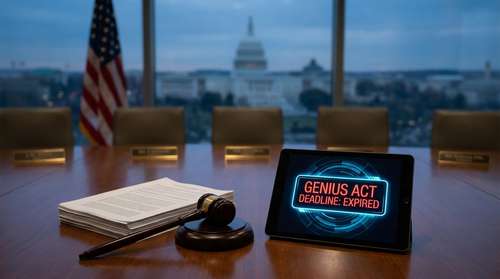
Every day, we hear more about cryptocurrency highs and lows and the endless debates surrounding how it should be regulated. The current delays in the Senate's initiative have stirred both excitement and apprehension among stakeholders. If you've ever followed the crypto market, you know that even minor shifts in policy can trigger major responses. With the 2025 deadline looming large, it’s a race against time that has captured the attention of investors, lawmakers, and market watchers alike.
Understanding the Senate Crypto Market Structure Bill
The Senate Bill is not your average piece of legislation. It aims to overhaul U.S. Crypto Law by addressing everything from market stability to the conduct of public officials. When you break it down, this isn’t just about tweaking regulations—it’s about creating a whole new framework for digital currency regulation.
The bill is designed to create a more structured and transparent market environment, ensuring that regulatory challenges are met head-on. At its core, it seeks to establish robust safeguards while enabling innovation to thrive. For anyone keeping track of cryptocurrency legislation, this has been a bold step—a beacon for a more predictable future in the crypto market.
It’s important to note that the complexity of such a bill requires a delicate balance between deregulation and necessary oversight. The intent is to avoid stifling innovation while protecting consumers and ensuring market integrity. Think of it as attempting to both build a highway for financial innovation and install speed limits to prevent accidents.
Political Tug-of-War and Legislative Delays
Political negotiations are the lifeblood of any significant piece of legislation, and this Senate Crypto Bill is no exception. With intense debates and bipartisan disagreements, the process has been anything but straightforward. The new proposals introduced by Democrats have added another layer of complexity to an already contentious debate.
Many insiders are comparing the current situation to a high-stakes chess game, where every move must be calculated carefully. At times, it feels like the legislators are stuck in an endless dialogue on who gets the final say in shaping U.S. crypto policy. The delays in passing this structure bill echo the broader frustrations that some feel about legislative delays in Washington.
This back-and-forth is not just political posturing. It symbolizes the broader regulatory challenges faced by the crypto industry. When you consider the rapid innovation in digital currencies, it becomes clear that no old regulatory playbook fits the bill. As senators try to draft regulations that address both market protection and industry growth, the process is mired in compromises and deadlines that seem to shift as negotiations proceed.
Is it too much to ask for a little common sense in Washington? After all, the crypto market doesn’t come with a pause button, and these legislative delays could have real-world financial impacts.
Navigating Regulatory Challenges and Market Impact
This legislative saga is far more than just political theater. Behind the scenes, there are real players in the crypto market who feel the pinch of uncertainty. The lack of a clear regulatory path can create backlogs in innovation and foster a climate of caution among investors.
For many, these regulatory uncertainties are significant hurdles. When investors hear that the Senate is struggling to finalize a structure bill, it triggers questions about market stability and accessibility. The bill's ambition to enforce digital currency regulation is met with resistance by industry leaders who worry about over-regulation. It’s a tightrope walk between protecting consumers and ensuring that innovation does not come to a grinding halt.
If you’ve ever been on a roller coaster for more than a minute, you might understand the sudden ups and downs the crypto market often experiences. Every delay and every new proposal in the crypto regulation arena sends ripples through the market, sometimes causing significant fluctuations in value and confidence.
Moreover, these delays are causing some market participants to question, “When will clarity finally come?” In a space where every second counts, holding out for clear direction is essential. With the Senate Bill once again being negotiated, the crypto community is holding its breath and looking for strong leadership to guide this often tumultuous journey.
Looking Ahead: The Road to 2025
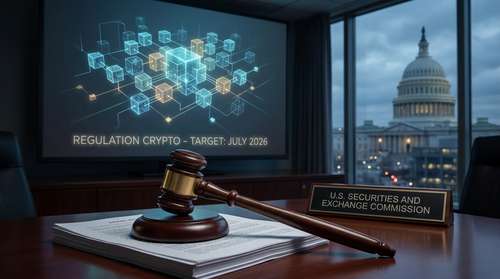
With the 2025 deadline fast approaching, the pressure to finalize the Senate Crypto Bill is palpable. The road ahead is fraught with complex decisions, inevitable compromises, and the constant balancing act between robust regulation and technological freedom.
Lawmakers are under a tight timeline, and every delay draws the market deeper into uncertainty. As the discussions continue, every incremental proposal or amendment is scrutinized to see if it can offer a compromise that will satisfy both regulators and free-market proponents. It’s a picture of modern legislative processes—an intricate dance between various interests that are all trying to shape the future of U.S. crypto policy.
There’s a real sense of urgency among stakeholders, ensuring that any potential delays do not end up hamstringing innovation or sending shockwaves through the market structure. The final text of the bill, whenever it may emerge, will likely define the contours of the future crypto landscape in the United States. It’s not just a regulatory move; it’s a strategic fork in the road for digital assets in America.
On a personal note, I can’t help but draw parallels with other major legislative efforts in history—those fleeting moments when the right decision can propel innovation forward. The U.S. Senate is under a huge spotlight as all eyes are on Washington, waiting to see if the right measures will be taken to ensure market stability without halting progress.
This scenario is something like waiting for a resolution in a tightly contested sports game: every second pulses with anticipation, and any misstep could tip the scales dramatically.
Final Thoughts
The delay in finalizing the Senate Crypto Market Structure Bill isn’t merely a legislative hiccup—it's a window into the future of cryptocurrency regulation in the U.S. As we navigate these turbulent times, the broader implications of this debate resonate not just with market analysts, but with every investor and tech entrepreneur who believes in the promise of digital currencies. The idea behind this legislative push is to merge stability with innovation, ensuring that while markets are protected, the room for growth and transformation remains open.
One thing is certain: the debates, the deadlines, and the deliberations will continue until an agreement is reached. And while some may find the process frustrating, others see it as a necessary step toward a resilient, well-regulated crypto market. By understanding the intricacies of these delays and the factors at play, we all become more informed participants in the future of digital currency regulation.
So, while waiting for the Senate to clear the hurdles, let’s keep a close eye on every development. After all, in the unpredictable world of cryptocurrency legislation, every twist and turn tells a story of ambition, complexity, and the pursuit of a smarter, more secure financial future.