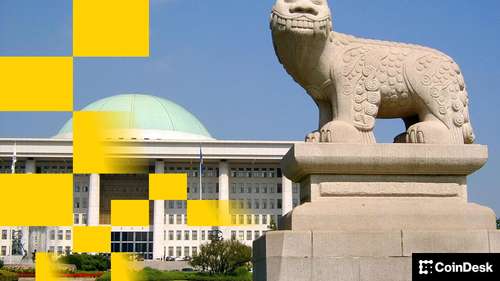
In a significant twist for one of Asia’s most dynamic cryptocurrency markets, South Korea's Digital Asset Basic Act (DABA) is facing delays amidst an ongoing tug-of-war between regulatory bodies. The core issue? Determining who should be entitled to issue stablecoins—cryptocurrencies pegged to the nation's currency, the Korean won.
Bank of Korea vs. Financial Services Commission
The Bank of Korea (BOK) and the Financial Services Commission (FSC) find themselves at an impasse over the future of stablecoin issuance. The BOK insists that only banks with a majority stake of 51% ownership should have the authority to issue these digital currencies. Their argument hinges on the banks' pre-existing obligations to stringent solvency and anti-money laundering standards, which they claim can safeguard the financial system's stability.
Contrarily, the FSC offers a more inclusive approach. They caution that the BOK’s restrictive “51% rule” could hinder competition and innovation by excluding fintech companies capable of developing sophisticated blockchain technology. In making their case, the FSC points to models like the European Union’s Markets in Crypto-Assets regulation, where non-bank digital asset firms often lead in stablecoin issuance, and Japan’s fintech-driven yen stablecoin initiatives.
Broader Implications and Legislative Challenges
This regulatory gridlock isn’t just a local issue; it mirrors a broader global conversation on the custody of fiat-backed stablecoins. Should banks retain control, or should fintech firms share the space to allow for innovation? The outcome of this debate could significantly influence market dynamics, competition, and the overarching regulatory landscape.
Political and Expert Opinions
The Democratic Party of Korea (DPK) aligns with the FSC’s stance against the BOK’s proposal. A Korea Times article cited DPK lawmaker Ahn Do-geol, who voiced expert concerns over potential innovation stagnation and the lack of global precedents for such a restrictive framework. Ahn believes that the BOK’s concerns about stability can be addressed through regulatory and technological measures, a sentiment he claims resonates with many policy advisors.
Another critical sticking point involves foreign-issued stablecoins. The FSC’s initial proposal would permit foreign stablecoins, like those from issuers such as Circle, to be used in South Korea, given they meet licensing requirements and establish a local branch or subsidiary.
Delayed Timeline and Future Prospects
The delay in resolving these issues is projected to push the bill’s passage to January at the earliest, with full implementation likely postponed until 2026, according to AInvest. This delay marks a significant milestone in South Korea’s evolving approach to digital currency, a nation that once took a harsh stance against cryptocurrency before showing signs of softening.
As South Korea navigates these regulatory challenges, the outcomes will not only impact its domestic market but could also act as a bellwether for how other nations approach the delicate balance between regulation and innovation in the burgeoning world of digital assets.