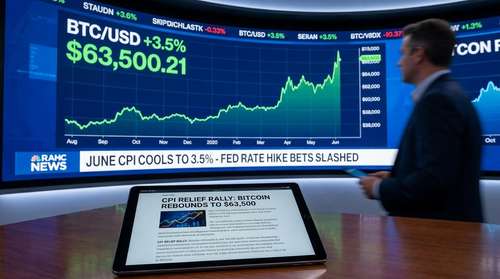
The cryptocurrency landscape is undergoing a violent structural shift this weekend. Amid a perfect storm of macroeconomic anxiety and regulatory crackdowns, Bitcoin has rapidly reclaimed its crown, absorbing billions in panicked capital,. As of Sunday, April 12, Bitcoin market dominance has spiked to a towering 57.04%, reaching levels that mirror the previous cycle's pre-bull market accumulation phase,,. This sudden crypto flight to safety is being driven by two major catalysts: unexpected hawkish signals regarding Federal Reserve interest rate hikes and fresh warnings surrounding EU stablecoin regulation 2026,,. Together, these forces have drained liquidity from speculative assets, sending the widely tracked crypto Fear and Greed Index plummeting to a dismal reading of 16,.
Bitcoin Market Dominance Surges as Altcoins Capitulate
While the broader digital asset sector faces heavy distribution, Bitcoin is demonstrating remarkable relative strength. Recent Bitcoin price analysis reveals that while leading altcoins have suffered severe drawdowns—with many shedding 15% to 20% over the past 48 hours—the flagship cryptocurrency has acted as a defensive anchor for institutional portfolios,.
Capital is aggressively rotating out of mid-cap and small-cap tokens, effectively crushing the hopes of an imminent altcoin season. This mass exodus has pushed Bitcoin's share of the total $2.52 trillion market capitalization securely past the 57% threshold,. Historically, when the digital asset market experiences such intense stress, liquidity funnels directly into the most liquid, decentralized asset available,. The current rotation underscores a clear message from money managers: risk-on speculation is on pause, and capital preservation is the immediate priority,. Institutional buyers, particularly those utilizing spot ETFs, are aggressively buying the dip in Bitcoin while leaving altcoins to fend for themselves,.
The Shadow of Federal Reserve Interest Rate Hikes
A major driver of this weekend's volatility stems from macroeconomic pressures in the United States,. Following months of market pricing that assumed the central bank would pivot to a sustained dovish stance, recent economic data has forced a harsh recalibration,. Officials have signaled that maintaining restrictive conditions—or potentially considering further Federal Reserve interest rate hikes if inflation remains sticky—may be necessary,.
Higher risk-free yields traditionally spell trouble for non-yielding growth assets, and the cryptocurrency sector is highly sensitive to these shifts. When borrowing costs rise, the appetite for holding highly volatile, speculative tokens evaporates. This hawkish narrative has completely derailed the momentum that had been building in decentralized finance (DeFi) and layer-one alternative networks. The tightening liquidity environment is fundamentally rewriting short-term cryptocurrency market trends, forcing over-leveraged traders into liquidations that totaled nearly $1.7 billion in a matter of days.
EU Stablecoin Regulation 2026 Shocks the System
Adding fuel to the macroeconomic fire are sudden developments across the Atlantic. Regulators in Brussels have issued stringent new warnings under the latest EU stablecoin regulation 2026 framework,. While the Markets in Crypto-Assets (MiCA) rules initially provided much-needed clarity for European markets, authorities are now demanding tighter compliance, specifically targeting non-euro stablecoins and unbacked digital assets that facilitate the majority of cross-border trading liquidity,.
The European Banking Authority's aggressive stance on 1:1 reserve audits and daily transaction caps for dollar-pegged stablecoins has sparked fears of impending delistings on major exchanges operating within the bloc,. Fearing potential disruptions to critical fiat off-ramps, European institutions and retail investors alike have opted to convert their stablecoin holdings directly into Bitcoin. This regulatory shock has effectively created a bottleneck, forcing European capital into the undisputed safe haven of the digital asset space and further accelerating Bitcoin's dominance,.
'Extreme Fear' Grips the Market
The psychological toll of these dual macroeconomic and regulatory shocks is vividly illustrated by market sentiment metrics. Over the last two days, the crypto Fear and Greed Index has collapsed to a reading of 16, placing the market firmly in the "Extreme Fear" zone,. Readings at this depressed level historically indicate maximum retail capitulation, matching the panic seen during the darkest days of previous market crashes. When sentiment deteriorates to this extent, the market is largely driven by emotion and forced liquidations rather than underlying fundamentals,.
Navigating the New Cryptocurrency Market Trends
The chaotic events of the past 48 hours highlight a maturing market that increasingly reacts to traditional macroeconomic indicators rather than isolated crypto-native news,. The era of blind speculation lifting all tokens simultaneously appears to be fading. Instead, we are witnessing a permanent bifurcation in the digital asset space.
Moving forward through the rest of 2026, investors will likely demand strict utility, transparent tokenomics, and clear regulatory compliance before allocating capital beyond the market leader,. Until the macroeconomic clouds part and global central banks provide a definitive timeline for rate relief, Bitcoin is positioned to maintain its outsized grip on the industry,. Navigating these turbulent conditions requires strict risk management, as the current environment severely punishes those attempting to catch falling knives in the altcoin sector.