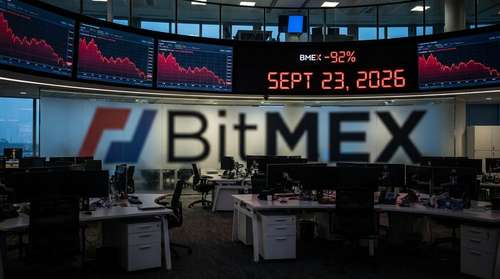

March 8, 2026 – The cryptocurrency market is facing a decisive moment of capitulation as Wall Street aggressively reallocates capital from digital assets into the booming artificial intelligence sector. Bitcoin (BTC) has tumbled below the critical $67,000 support level, trading at $66,902 early Sunday, as institutional interest shifts toward high-yield AI infrastructure. This massive liquidity drain has sent the Crypto Fear and Greed Index to 12, its lowest point in over three years, signaling "Extreme Fear" across the digital asset landscape.
The Great AI vs Crypto Capital Pivot
The narrative of Bitcoin as "digital gold" is currently being overshadowed by the tangible, industrial-scale growth of the generative AI ecosystem. In what analysts are calling the definitive AI vs Crypto capital pivot of 2026, institutional investors are liquidating volatile crypto positions to fund the capital-intensive build-out of sovereign AI projects and next-generation data centers.
This rotation was accelerated by OpenAI’s historic announcement on March 2, 2026, confirming a $110 billion capital raise at a staggering $730 billion valuation. The deal, backed by SoftBank, NVIDIA, and Amazon, has sucked liquidity from speculative risk assets, redirecting it toward the "picks and shovels" of the AI revolution. Institutional crypto outflows have intensified, with major funds reportedly selling over 27,000 BTC in the last 48 hours to chase the stable, contract-based yields offered by AI infrastructure financing.
Wall Street AI Infrastructure News: Miners Become Landlords
A structural transformation is underway within the crypto mining sector itself, further validating Wall Street's new thesis. Bitcoin miners are no longer just securing the blockchain; they are pivoting to become "AI landlords."
Leading publicly traded miners like TeraWulf and Hut 8 have pivoted operations to host high-performance computing (HPC) workloads. The economics are undeniable: AI data center investment trends show that hosting AI workloads can generate up to 25 times more revenue per kilowatt-hour than Bitcoin mining. As a result, capital that would have previously supported Bitcoin's price is now financing the retrofitting of mining facilities into Tier 3 AI data centers.
Why Yields Are Winning
Investors are favoring AI infrastructure yields because they offer multi-year, investment-grade contracts—a stark contrast to the volatility of Bitcoin market sentiment 2026. "We are seeing a flight to quality," notes a senior analyst at Morgan Stanley. "Why hold a volatile asset when you can fund the physical backbone of a $700 billion AI economy and receive double-digit stable returns?"
Bitcoin Price March 2026: The $67,000 Breakdown
The Bitcoin price March 2026 outlook has turned precarious following the breach of the $67,000 level. This price point had served as a fortress of support throughout early 2026, but the sheer volume of sell-side pressure from institutions has turned it into a formidable resistance.
Technical analysis reveals that the breakdown was driven by a lack of buy-side liquidity during Asian trading hours. With the price now hovering near $66,900, traders are eyeing the next major support zone at $60,000. The divergence between Bitcoin's price action and the Nasdaq's record highs highlights the decoupling effect of the AI capital suction; while tech stocks soar on AI optimism, crypto suffers from the liquidity drain.
Crypto Fear and Greed Index 12: Historical Context
The collapse in sentiment is statistically significant. The Crypto Fear and Greed Index 12 reading marks a multi-year low, a level not seen since the FTX collapse of late 2022. This "Extreme Fear" indicates widespread capitulation and panic selling among retail investors, who are reacting to the institutional exodus.
- 0-24 (Extreme Fear): Current zone. Often signals a potential contrarian buy opportunity, though momentum remains bearish.
- 25-49 (Fear): The previous month's average, showing a rapid deterioration in sentiment.
- 50+ (Neutral/Greed): Levels not seen since the October 2025 peak.
While contrarian investors often view such low readings as a buying signal, the structural nature of the current capital flight—driven by a fundamental shift in global asset allocation toward AI—suggests this period of fear may be prolonged compared to previous cycles.