In a historic collision between the executive branch and the Federal Reserve, the U.S. Department of Justice (DOJ) has issued a formal threat of criminal indictment against Fed Chair Jerome Powell today, January 22, 2026. The announcement, which cites alleged financial mismanagement regarding the central bank's headquarters renovation, is widely interpreted by Wall Street as a pretext to force lower interest rates. The news has triggered an immediate and severe reaction in global financial markets, with major U.S. stock indices plummeting at the opening bell and investors rushing toward safe-haven assets, specifically gold and the newly established Strategic Bitcoin Reserve.
Constitutional Crisis: The DOJ's Case Against Powell
The Justice Department's move marks the most significant challenge to central bank independence since the 1951 Treasury-Fed Accord. While the official DOJ statement cites "gross negligence" concerning a $2.5 billion renovation of the Federal Reserve's board building, few analysts believe the charges are purely administrative. Fed Chair Jerome Powell, whose term is set to expire in May 2026, forcefully rebutted the allegations in a video statement, asserting that the threat is "a consequence of the Federal Reserve setting interest rates based on our best assessment of what will serve the public, rather than following the preferences of the President."
Sources close to the administration indicate that the friction stems from the Fed's refusal to slash interest rates further despite the White House's demands for aggressive monetary stimulus. With the Fed holding the benchmark rate steady to combat lingering inflation, the administration appears to be leveraging the legal system to force a leadership change. Legal experts warn that indicting a sitting Federal Reserve Chair is uncharted territory, potentially sparking a Supreme Court battle over the definition of "for cause" removal under the Federal Reserve Act.
Markets Reeling: Stocks Plunge, Volatility Spikes
The reaction on Wall Street was swift and brutal. The Dow Jones Industrial Average dropped over 900 points within the first hour of trading, while the S&P 500 erased months of gains. The CBOE Volatility Index (VIX), often called the "fear gauge," spiked to levels not seen since the 2023 banking turmoil. Traditional banking stocks led the decline, driven by fears that political interference in monetary policy could devalue the dollar and destabilize the Treasury market.
"The market hates uncertainty, and there is nothing more uncertain than the criminalization of monetary policy," said a senior strategist at a major investment firm. "If the Fed loses its independence, the dollar's status as the global reserve currency is immediately called into question. Investors are repricing U.S. sovereign risk in real-time."
The Pivot to Digital Reserves: Bitcoin as the New Safe Haven
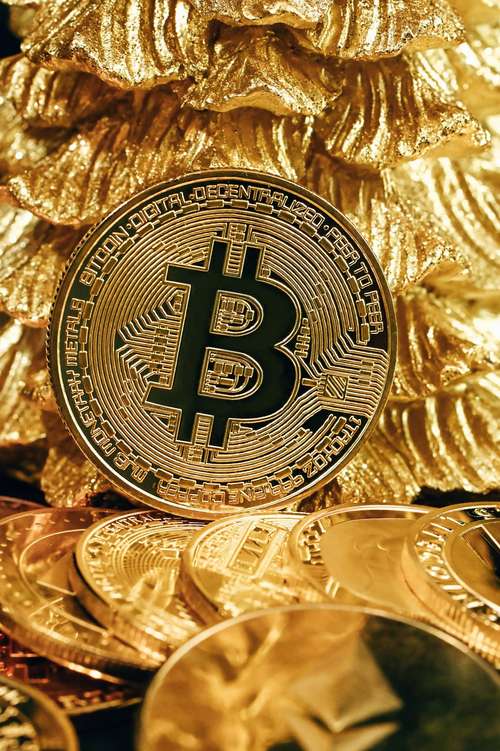
As faith in institutional stability wavers, capital is aggressively shifting toward non-sovereign assets. While gold prices surged to a record $4,600 per ounce, the most dramatic movement has been in the digital asset sector. Bitcoin, now formally recognized as a strategic asset following the passage of the Strategic Bitcoin Reserve Act in March 2025, has decoupled from the stock market, rallying while equities fall.
Institutional investors, previously hesitant, are now allocating capital to Bitcoin at an unprecedented rate, viewing it as a hedge against the politicization of the U.S. dollar. The concept of a "digital safe haven" has moved from theory to reality, with trading volumes on major exchanges hitting yearly highs. Treasury Secretary Scott Bessent's previous comments about the validity of digital assets have done little to calm the traditional markets, as the administration's aggressive stance against Powell suggests a volatile period ahead for fiat currency stability.
What Lies Ahead: A Battle for the Dollar's Soul
The coming weeks will be critical for the U.S. economy. If the DOJ proceeds with a formal indictment, it could trigger a prolonged legal standoff that leaves the Federal Reserve paralyzed. The Supreme Court, which is already hearing arguments regarding the attempted firing of Fed Governor Lisa Cook, will likely be the final arbiter of this power struggle.
For now, the message from the markets is clear: political interference in central banking comes at a steep price. As the line between fiscal desire and monetary discipline blurs, investors are voting with their wallets, choosing the mathematical certainty of cryptographic assets over the unpredictable nature of a politicized dollar.