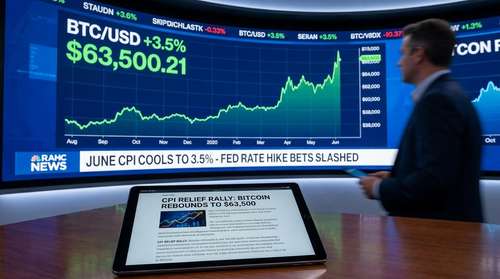

The cryptocurrency market is absorbing massive shockwaves this week following a brutal Bitcoin price crash in March 2026. Digital asset markets shed billions in value over the last 48 hours, plunging Bitcoin by nearly 5% to trade at $70,862. This sharp decline was catalyzed by a perfect macroeconomic storm: the Federal Reserve's firm decision to halt rate cuts, compounded by severe geopolitical escalations in the Middle East. For investors looking at crypto market news today, the landscape has drastically shifted from cautious optimism to outright panic.
FOMC Meeting Impact on Crypto Markets
The highly anticipated March FOMC meeting ended late Wednesday with Chairman Jerome Powell maintaining the benchmark Federal Reserve interest rates at a restrictive 3.50%-3.75%. While financial analysts had braced for a potential pause, the aggressively hawkish tone accompanying the announcement caught risk markets entirely off guard.
Powell cited stubborn core inflation metrics and a resilient labor market as the primary drivers for the central bank's conservative monetary stance. The FOMC meeting impact on crypto was swift and severe. Higher-for-longer interest rates inherently strengthen the US Dollar and Treasury yields, drawing institutional liquidity away from non-yielding assets like Bitcoin. Over the past two days, trading desks observed a mass exodus from spot crypto ETFs as institutional players rebalanced their portfolios to reflect this restricted liquidity environment. Seven policymakers have now projected zero rate cuts for the entirety of the year.
Geopolitical Shockwaves: Middle East Conflict Escalates
Beyond the borders of US monetary policy, global stability is fracturing. The intensifying conflict in the Middle East has injected a fresh wave of risk aversion across global equities and digital assets alike. Brent crude oil spiked past $90 a barrel following reports of escalating military engagements, raising fears of a secondary inflation shock that would keep central banks paralyzed.
Historically, some industry proponents have championed Bitcoin as a safe-haven asset akin to digital gold during times of war. However, the current Iran Israel conflict market impact paints a distinctly different picture. Instead of seeking refuge in decentralized ledgers, investors are retreating to cash and traditional defensive stocks. The immediate uncertainty regarding global energy supply chains and the potential broader involvement of Western powers has suppressed any appetite for volatility. This geopolitical reality check demonstrates that Bitcoin remains heavily correlated to broader risk-on tech equities during moments of sudden global terror.
Market Bloodbath: Crypto Liquidations Surge
Retail and institutional leverage is being violently flushed from the system. Data surrounding crypto liquidations today reveals that over $850 million in long positions were wiped out across major derivatives exchanges within a narrow 12-hour window. Traders who anticipated a post-FOMC breakout found themselves trapped in cascading margin calls as the $73,000 support level shattered.
The Technical Damage
Ethereum and broader altcoin sectors mirrored Bitcoin's plunge, with several top-tier layer-1 networks posting double-digit losses. The sheer velocity of these liquidations underscores the fragility of the recent rally. Markets had been propped up by high leverage ratios and speculative fervor rather than sustainable spot accumulation. Funding rates on major exchanges have now flipped negative, indicating that short-sellers are actively paying a premium to suppress prices further.
Bitcoin Fear and Greed Index Plunges to Extreme Fear
Sentiment metrics are reflecting the grim price action on the charts. The widely monitored Bitcoin Fear and Greed Index has plummeted from a comfortable Greed rating just last week straight into the Extreme Fear zone. It currently rests at a dismal score of 22. This rapid deterioration in market psychology highlights how fragile investor conviction remains as we move deeper into 2026.
Extreme Fear often signals localized market bottoms, presenting potential opportunities for contrarian buyers who trade on panic. Yet, trading desks remain divided on whether this correction is a temporary flush or the beginning of a prolonged bearish structure. With the psychological $70,000 barrier teetering on the edge of collapse, technical analysts are eyeing the 200-day moving average near $64,000 as the next major line of defense.
Until there is tangible de-escalation in the Middle East or an unexpectedly dovish pivot from the Federal Reserve in the coming months, the path of least resistance for digital assets appears heavily tilted downward. Investors are tightly fastening their seatbelts as volatility reclaims the driver's seat.