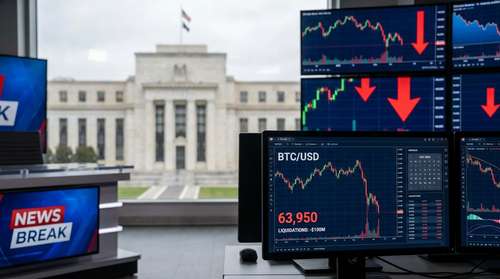
The global financial landscape is facing renewed turbulence, culminating in a sharp Bitcoin price crash March 2026. Over the past 48 hours, the flagship cryptocurrency tumbled past critical support levels, retreating below the $67,000 mark to hover near $66,000. This sudden downside pressure stems directly from escalating conflict in the Middle East involving Iran, which has sparked a dramatic flight from risk assets across both traditional equities and digital asset markets.
Derivatives markets took a heavy hit early Monday morning, with over $450 million in leveraged long positions wiped out across major exchanges. For traders banking on a steady climb to all-time highs this spring, the geopolitical reality check has forced a rapid reassessment of portfolios.
The Iran Conflict Crypto Market Impact
Cryptocurrencies have traditionally exhibited high volatility during major global crises, and the latest events are no exception. The Iran conflict crypto market impact is heavily visible in the broader altcoin sector as well, but Bitcoin's slide remains the primary focus for institutional capital. When geopolitical stability fractures, capital naturally flows toward traditional safe havens like gold and the U.S. dollar.
This pivot is a textbook example of crypto risk-off sentiment. Investors are choosing liquidity and capital preservation over the higher beta returns typically offered by digital assets. The speed of the weekend sell-off underscores how rapidly algorithmic trading desks and large block holders are adjusting their risk models in response to breaking news from the Persian Gulf. Defense contractors and commodities are catching bids, while tech stocks and cryptocurrencies are being aggressively dumped.
Oil Prices and Bitcoin Correlation in 2026
You cannot decouple the current digital asset slide from the massive disruption in energy markets. A sharp spike in crude oil futures over the weekend is compounding the macroeconomic anxiety. The oil prices and bitcoin correlation has grown increasingly prominent; when energy costs surge, inflation expectations immediately follow suit.
Higher oil prices mean higher manufacturing and transportation costs, which ultimately bleed into consumer prices. For Bitcoin, which trades heavily on macroeconomic liquidity conditions, the prospect of sticky inflation is a massive headwind. Central banks are far less likely to inject liquidity or lower borrowing costs when facing an energy-driven inflationary shock. Traders are realizing that the era of cheap capital might be delayed even further.
Institutional Retreat: Bitcoin ETF Outflows Surge
The institutional demand that characterized earlier market rallies has temporarily evaporated. High energy costs and inflation fears have prompted significant Bitcoin ETF outflows this week. Wall Street managers are actively derisking, pulling hundreds of millions out of spot Bitcoin exchange-traded funds as they await clearer signals from both military and monetary fronts.
These outflows highlight a fundamental shift in market structure compared to previous cycles. Now that Bitcoin is heavily integrated into the traditional financial plumbing via ETFs, it is far more sensitive to macroeconomic portfolio rebalancing. If equities fall due to Middle East tensions, ETF managers frequently liquidate Bitcoin holdings to cover margins or meet broader fund redemption requests. The structural sell pressure is undeniable, signaling a temporary pause in institutional accumulation.
Upcoming Macro Triggers
The market is now looking ahead to critical domestic data sets. Traders are hyper-focused on how the March 2026 inflation data crypto reaction will unfold. If the upcoming U.S. Consumer Price Index (CPI) print comes in hotter than expected—fueled by the recent jump in oil—it could trigger another leg down for digital assets.
A hot CPI report will essentially price out any remaining hopes for an early spring rate cut. Crypto markets thrive on liquidity, and any indication that the Fed will maintain a restrictive stance will severely cap upside momentum. Institutional desks are already hedging against this exact scenario by loading up on put options at the $60,000 strike price.
Navigating Cryptocurrency Market Analysis Today
Providing accurate cryptocurrency market analysis today requires balancing on-chain metrics with traditional macroeconomic indicators. On-chain data reveals that while short-term holders are selling at a loss, long-term dormant addresses remain largely inactive. This suggests the current $66,000 floor might hold if geopolitical tensions do not escalate further.
However, all eyes remain glued to the mid-month Federal Open Market Committee (FOMC) decision. The Federal Reserve's tone regarding the energy shock will dictate the next major trend. Until Fed Chair Jerome Powell provides clarity on how the central bank plans to navigate the dual threats of slowing growth and energy-driven inflation, risk assets will likely remain range-bound with a bearish bias.
For now, the combination of war fears, ETF liquidations, and looming CPI data forms a formidable wall of worry. Market participants should brace for continued volatility as the week progresses and the situation in the Middle East develops. While previous geopolitical shocks have sometimes resulted in rapid V-shaped recoveries once initial panic subsides, the added layer of macroeconomic tightening makes this environment uniquely challenging.