PALM BEACH, Fla. – In a defiant move against a crumbling cryptocurrency market, the Trump-affiliated World Liberty Financial (WLFI) announced a major initiative to tokenize loan revenue interests from a luxury Maldives resort crypto project. The announcement, made at the exclusive World Liberty Forum at Mar-a-Lago, comes as the broader digital asset sector faces crypto market capitulation 2026, with the Fear & Greed Index plunging to a record low of 9.
Pivoting to Real World Assets in a Bear Market
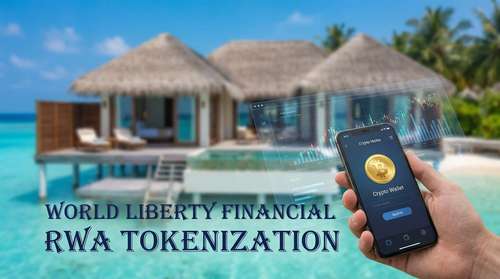
While Bitcoin and major altcoins have shed nearly 50% of their value in recent months, World Liberty Financial is steering toward stability through RWA tokenization (Real World Assets). Speaking to a room of Wall Street executives and crypto leaders at Mar-a-Lago, co-founder Eric Trump unveiled the project's flagship offering: a tokenized financial interest in the upcoming Trump International Hotel & Resort, Maldives.
The initiative, launched in partnership with tokenization leader Securitize, Inc. and luxury developer DarGlobal PLC, represents a significant shift for the Trump crypto project. Rather than relying on speculative governance tokens, the new offering allows eligible accredited investors to purchase tokens representing a share of the loan revenue streams generated by the resort, which is scheduled for completion in 2030.
"We are bridging the gap between decentralized finance and tangible, trophy real estate," a project spokesperson stated at the forum. "In a market gripped by extreme fear, investors are looking for yield backed by real-world value, not just hype."
Inside the Maldives Resort Tokenization Deal
The Maldives resort crypto offering is structured to comply with strict U.S. securities laws, specifically Regulation D Rule 506(c). This means the WLFI token news is currently relevant primarily to verified accredited investors. The tokens will provide holders with fixed yield distributions derived from the financing of the ultra-luxury property, which will feature approximately 100 overwater and beach villas.
By leveraging blockchain real estate investment technology, WLFI aims to unlock liquidity in what is traditionally an illiquid asset class. The partnership with Securitize ensures that all transactions are recorded on-chain while maintaining regulatory compliance—a critical selling point as the SEC continues its scrutiny of the sector.
Defying the 'Extreme Fear' Index
The timing of the announcement is stark. The crypto market capitulation 2026 has seen investor sentiment hit rock bottom, with the Fear & Greed Index registering a 9 ("Extreme Fear")—its lowest point in years. Yet, the World Liberty Financial token (WLFI) rallied approximately 18% following the news, decoupling from the broader market downturn.
Analysts suggest this divergence indicates a growing appetite for defensive crypto assets. "When the market capitulates, capital flees to quality and tangibility," noted a senior analyst at the forum. "WLFI's pivot to tokenizing debt on a high-profile hospitality asset offers a safe harbor narrative that speculative meme coins currently cannot match."
Strategic Implications for the Trump Crypto Project
This move solidifies the Trump family's deepening entrenchment in the digital asset space, despite the volatile market conditions. The World Liberty Forum served not just as a product launch, but as a statement of intent. By focusing on RWA tokenization, the project is attempting to insulate itself from the volatility that has erased billions from the crypto market cap in early 2026.
Critics, however, point to the long timeline—the resort will not open for another four years—and the exclusivity of the offering as potential hurdles. Furthermore, the project's heavy reliance on the Trump brand remains a double-edged sword, attracting both fervent supporters and intense regulatory watchful eyes.
The Future of Blockchain Real Estate Investment
The World Liberty Financial announcement may signal a broader trend for 2026: the institutionalization of on-chain assets. As retail investors retreat amid the market crash, projects that can offer institutional-grade products like tokenized debt and equity are likely to survive the winter.
If successful, the Maldives initiative could pave the way for further tokenization of the Trump Organization's vast real estate portfolio, potentially creating a new blueprint for how luxury developments are financed in the web3 era.