
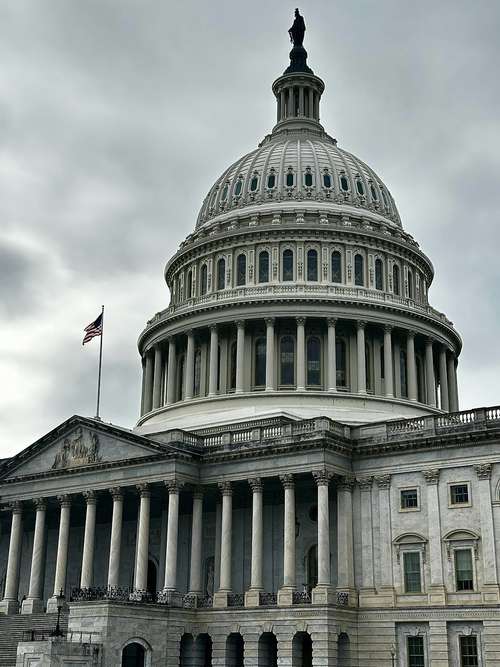
The U.S. Senate Banking Committee has indefinitely postponed its highly anticipated markup of the landmark digital asset market structure bill, officially titled the Digital Asset Market Clarity Act. The sudden delay, announced early Thursday morning by Committee Chairman Tim Scott (R-SC), follows a blistering public withdrawal of support from Coinbase CEO Brian Armstrong. In a late-night statement that sent shockwaves through Washington and Wall Street alike, Armstrong condemned the latest draft for containing a "de facto ban" on tokenized equities and restrictive provisions that would stifle American innovation.
Coinbase CEO Brian Armstrong Slams 'De Facto Ban'
The collapse of the legislative effort began late Wednesday when Coinbase Brian Armstrong Senate negotiations hit a wall. Armstrong took to X (formerly Twitter) to voice his opposition to the "manager's amendment" released just 48 hours prior. "We'd rather have no bill than a bad bill," Armstrong wrote, signaling a major fracture between the crypto industry's largest player and lawmakers.
Armstrong's primary grievance centers on what he describes as a "de facto ban" on tokenized equities—a sector poised to bridge traditional finance with blockchain technology. The revised bill reportedly includes language that would make it nearly impossible for platforms to offer digital representations of real-world assets like stocks and real estate to retail investors. "Regulatory clarity that shrinks investor upside isn't progress," Armstrong argued, warning that such measures would force the next generation of financial markets offshore.
Anatomy of the Collapse: Why the Digital Asset Market Structure Bill Stalled
The Senate Banking Committee crypto bill was intended to be the upper chamber's answer to the House's version passed in mid-2025. However, the "manager's amendment" introduced new complications that alienated key industry stakeholders. Beyond the tokenization issue, the draft legislation included aggressive surveillance mandates for Decentralized Finance (DeFi) protocols.
According to insiders, the bill would have required DeFi developers to maintain "unlimited access" to user financial records—a technical impossibility for true non-custodial protocols and a red line for privacy advocates. Furthermore, intense crypto industry lobbying clashed with banking interests over stablecoins. The banking lobby successfully pushed for amendments prohibiting non-bank issuers from offering yield on stablecoins, a move Armstrong characterized as "allowing banks to ban their competition."
The Battle Over Stablecoin Yields
The dispute over stablecoin rewards proved to be a poison pill. By prohibiting crypto exchanges from passing yield to customers, the bill would have entrenched the dominance of traditional banks while stripping crypto users of passive income opportunities. This provision, viewed as a concession to traditional finance, galvanized opposition across the broader Web3 ecosystem, turning what was once a bipartisan effort into a contentious deadlock.
The Tokenized Equities Controversy Explained
The tokenized equities ban has emerged as the most critical sticking point in the US blockchain legislation debate. Proponents argue that tokenizing stocks allows for 24/7 trading, instant settlement, and greater accessibility. However, the Senate's draft viewed these instruments with extreme caution, attempting to shoehorn them into 20th-century securities frameworks that do not account for the efficiency of distributed ledger technology.
By effectively banning these instruments, the bill threatened to derail years of progress in "Real World Asset" (RWA) tokenization, a market projected to reach trillions of dollars by 2030. Industry experts warn that if the U.S. closes its doors to this innovation, jurisdictions like Singapore and the UK will eagerly fill the void, leaving American markets behind.
What This Means for Blockchain Regulation in 2026
With the markup cancelled and no new date set, the future of blockchain regulation 2026 looks increasingly uncertain. Markets reacted swiftly to the news, with Bitcoin and major digital assets edging lower as traders priced out the likelihood of regulatory clarity this year. The stalemate highlights the growing difficulty of passing comprehensive crypto legislation in an election year.
For now, the industry remains in a regulatory gray zone. While the lack of a bill avoids the "bad" outcome Armstrong feared, it also leaves the sector vulnerable to continued enforcement actions by the SEC. As Chairman Tim Scott noted in his statement, negotiations remain ongoing, but without a consensus on the core issues of DeFi privacy and tokenization, a breakthrough seems unlikely in the near term.