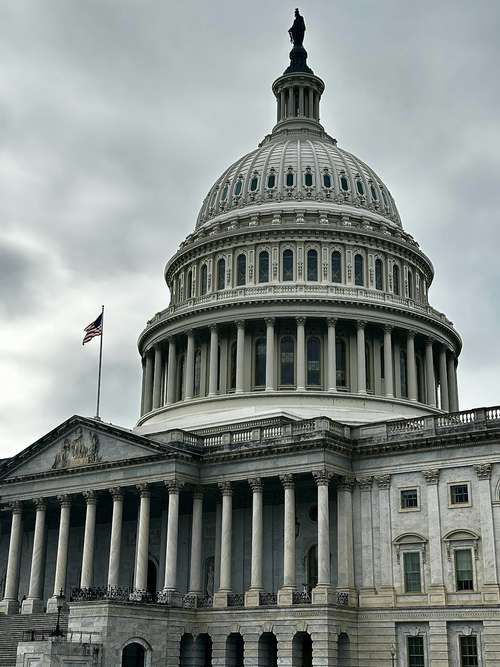
The Senate Banking Committee has officially postponed its scheduled markup of the landmark crypto market-structure bill, following a sharp withdrawal of support from Coinbase CEO Brian Armstrong. The decision, announced late Wednesday by Committee Chairman Tim Scott (R-S.C.), throws the future of U.S. crypto legislation 2026 into uncertainty just hours before a critical vote was expected to take place.
Coinbase CEO Brian Armstrong Forces a Legislative Pause
The legislative process came to a sudden halt after Brian Armstrong took to X (formerly Twitter) to voice vehement opposition to the latest draft of the bill, known as the Digital Asset Market Clarity Act. Armstrong, whose company has been a key stakeholder in negotiations, declared that Coinbase could "unfortunately can't support" the legislation in its current form.
"We'd rather have no bill than a bad bill," Armstrong stated, arguing that the proposed framework had regressed significantly from earlier bipartisan versions. His public rejection served as a catalyst, signaling to lawmakers that the industry—backed by significant political capital from the 2024 election cycle—was prepared to walk away from the table rather than accept unfavorable terms.
Key Contentious Issues: Tokenized Equities and Stablecoin Regulation
The breakdown in negotiations centers on several specific provisions that industry leaders believe would stifle innovation in the United States. Armstrong highlighted four primary "dealbreakers" that led to the backlash:
- De Facto Ban on Tokenized Equities: The bill reportedly contains language that would effectively prohibit the trading of tokenized stocks, a sector seen as vital for the future of financial markets.
- Elimination of Stablecoin Rewards: Under pressure from the banking lobby, the draft included amendments to "kill rewards on stablecoins," preventing exchanges from passing yields to customers.
- DeFi Prohibitions: New restrictions on Decentralized Finance (DeFi) that Armstrong argued would violate user privacy and grant the government unlimited access to financial records.
- Eroded CFTC Authority: The draft allegedly weakened the oversight powers of the Commodity Futures Trading Commission (CFTC), shifting more control back to the SEC.
The Banking Lobby vs. Crypto Innovation
The dispute over stablecoin regulation highlights a deepening rift between the crypto industry and traditional banking institutions. Banking lobbyists have aggressively argued that allowing crypto firms to offer yield-like rewards on stablecoin reserves would drain deposits from community banks and destabilize the traditional lending model. Conversely, crypto advocates contend that banning these rewards anticompetitive and protects legacy institutions at the expense of consumer benefit.
Senator Tim Scott's Response and Next Steps
Following Coinbase's public exit from the negotiations, Senate Banking Committee Chairman Tim Scott issued a statement confirming the delay. "I've spoken with leaders across the crypto industry, the financial sector, and my Democratic and Republican colleagues, and everyone remains at the table working in good faith," Scott said. He emphasized that the goal remains to deliver "clear rules of the road" that protect consumers while ensuring the "future of finance is built in the United States."
Despite the optimistic tone, the postponement marks a significant setback for the Tim Scott crypto bill. With the "GENIUS Act" of 2025 having already established a baseline for stablecoin issuers, this broader market structure bill was intended to be the comprehensive digital asset framework that clarified the jurisdiction between the SEC and CFTC.
Outlook for U.S. Crypto Legislation in 2026
The delay leaves the industry in a familiar state of limbo. While the postponement avoids the immediate passage of what the industry views as a "bad bill," it also prolongs the regulatory ambiguity that has plagued the U.S. market for years. Market analysts suggest that without Coinbase's endorsement, any path forward will require significant concessions from the banking lobby regarding stablecoin yields and a rollback of the restrictive language on tokenized equities.
For now, all eyes are on the Senate Banking Committee as they attempt to redraft the legislation. As Armstrong noted in his follow-up comments, the industry remains "quite optimistic" that a correct outcome can be reached, but the timeline for a vote has now been pushed indefinitely into the future.