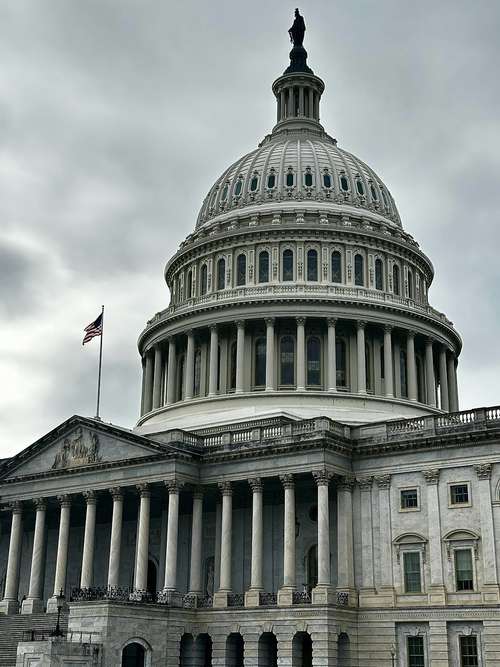
In a stunning reversal for U.S. crypto policy, the Senate Banking Committee has indefinitely postponed the markup of the Digital Asset Market Clarity Act (CLARITY Act), originally scheduled for January 15. The delay marks a significant blow to the legislative agenda for crypto regulation 2026, following a dramatic withdrawal of support from industry heavyweight Coinbase and a last-minute constitutional challenge from the Senate Judiciary Committee. What was poised to be a victory lap for SEC Chair Paul Atkins and his ‘Project Crypto’ initiative has instead exposed deep fissures between Washington lawmakers and the digital asset sector.
Coinbase Withdraws Support: ‘No Bill is Better Than a Bad Bill’
The unraveling of the bill began late Wednesday when Coinbase CEO Brian Armstrong publicly withdrew the exchange’s support for the legislation. In a scathing critique, Armstrong argued that late-stage amendments had transformed the bill from a regulatory framework into a straitjacket for innovation. “We’d rather have no bill than a bad bill,” Armstrong stated, signaling a rare break from the bipartisan negotiation process.
Coinbase’s opposition centers on three critical provisions that surfaced in the final draft:
- Stablecoin Yield Bans: New language would effectively prohibit platforms from offering rewards or interest on stablecoins, a core revenue stream for many exchanges and a feature popular with retail investors.
- DeFi Prohibitions: The bill included sweeping restrictions on Decentralized Finance (DeFi) protocols, potentially mandating that software developers register as financial exchanges—a technical impossibility for autonomous code.
- Tokenized Equity Restrictions: A “de facto ban” on tokenized equities, which Armstrong argued would kill the nascent market for real-world asset (RWA) tokenization before it could mature.
For the Senate Banking Committee markup to succeed, industry consensus was considered essential. The withdrawal of Coinbase—the largest U.S. exchange and a primary political donor—left the bill’s sponsors without the political capital to push forward.
Judiciary Clash: The Shadow of the Roman Storm Case
While Coinbase attacked the bill from the industry side, a formidable obstacle emerged from within the Senate itself. Senators Chuck Grassley and Dick Durbin, leaders of the Senate Judiciary Committee, lodged a formal objection to “Section 604” of the act. This controversial section sought to clarify blockchain developer liability, shielding writers of open-source code from being treated as “money transmitters” solely because their software is used for illicit finance by third parties.
In a letter to the Banking Committee, the Judiciary leaders argued that Section 604 would undermine the Department of Justice’s ability to prosecute cases similar to the Roman Storm Tornado Cash case. Storm, a developer of the Tornado Cash privacy mixer, was convicted in 2025 of operating an unlicensed money transmitting business, a verdict that sent shockwaves through the developer community. The Senators contended that granting statutory immunity to developers would create a “roadmap for money launderers” and infringe on the Judiciary Committee’s jurisdiction over criminal law.
The ‘Code is Law’ Debate Reignited
This inter-committee conflict highlights a fundamental philosophical divide. Proponents of Section 604 argue it is necessary to protect free speech and software innovation. Opponents, bolstered by the Roman Storm precedent, insist that code deployment can constitute financial facilitation. By postponing the markup, the Senate has temporarily avoided a floor fight, but the question of developer liability remains the “third rail” of crypto legislation.
SEC Chair Paul Atkins and the 2026 Roadmap
The delay poses a severe challenge for SEC Chair Paul Atkins, who had championed the CLARITY Act as the cornerstone of his strategy to make the U.S. the “crypto capital of the world.” Atkins, who took the helm with a mandate to end the era of “regulation by enforcement,” had hoped the bill would finally settle the jurisdictional turf war between the SEC and the CFTC.
Without clear legislative guidance, Atkins may be forced to rely on his proposed “Innovation Exemption”—a regulatory sandbox approach that allows firms to operate under provisional rules. However, without the statutory backing of the Digital Asset Market Clarity Act, such exemptions could be vulnerable to legal challenges or reversal by future administrations.
With the 2026 midterm elections approaching, the window for passing comprehensive crypto regulation 2026 is rapidly closing. The collapse of the CLARITY Act suggests that despite years of lobbying and debate, Washington is still struggling to bridge the gap between traditional financial security and the decentralized future.