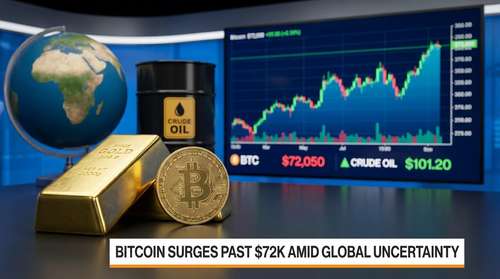
Global equity markets are facing a severe stress test this week, but the flagship cryptocurrency is charting a completely different course. The Bitcoin price $72000 milestone has officially been breached, with the asset touching a daily high of $72,482. As traditional financial systems grapple with escalating tensions in the Middle East and an alarming energy crisis, investors are aggressively pivoting to decentralized assets. This divergence is cementing the digital gold narrative 2026, proving that the world's premier cryptocurrency can thrive when fiat-backed markets falter.
Strait of Hormuz Oil Surge Triggers Market Shockwaves
The catalyst for the current macroeconomic turbulence stems directly from geopolitical instability. Following the closure of critical shipping lanes, the Strait of Hormuz oil surge has pushed Brent crude to $100 per barrel—its highest level since the energy shocks of 2022. Reports of naval mine deployments and ongoing military operations involving the United States, Israel, and Iran have virtually halted maritime trade through the vital Middle Eastern corridor,.
This massive disruption in global energy supplies has triggered a sharp risk-off movement in traditional equities. Manufacturers, transport companies, and consumer goods sectors are bracing for intense inflationary pressure. Yet, the Iran conflict crypto impact paints a contrasting picture. Rather than succumbing to the panic-driven selloffs plaguing the S&P 500 and the Dow, the cryptocurrency market has absorbed the shock with measured resilience,. Capital flight from spooked traditional equity investors is finding a new home in the digital asset space, driving trading volumes to multi-month highs.
The Rise of the Crypto Safe-Haven Asset
Historically, physical gold and United States Treasury bonds have served as the default shelters during wartime. Today, market behavior points to a fundamental shift in portfolio defense strategies. Traders are increasingly utilizing a BTC geopolitical hedge to shield their wealth from localized fiat currency debasement and supply chain collapses. Because Bitcoin operates on a decentralized, borderless network, it functions entirely outside the jurisdiction of warring nations and remains immune to targeted economic sanctions.
On-chain analytics confirm this behavioral shift. During the initial days of the conflict escalation, market observers reported that over 400,000 BTC changed hands as the price consolidated between $60,000 and $70,000. Instead of liquidating their positions, buyers actively accumulated the asset during minor pullbacks. This aggressive buying pressure underlines the ongoing transformation of Bitcoin from a highly speculative tech proxy into a verified crypto safe-haven asset. Market structure currently shows an "air pocket" of thin liquidity above the $72,000 mark, suggesting that any further macroeconomic shocks could propel the price rapidly toward the $74,000 resistance zone.
Institutional Bitcoin ETF Inflows Provide Unprecedented Support
Retail traders are not the only ones buying the dip. A significant driver behind the recent structural rally involves relentless, calculated capital allocation from Wall Street. Sustained institutional Bitcoin ETF inflows have provided a massive liquidity backstop, absorbing the sell pressure that typically accompanies macroeconomic panic.
Wealth managers are recognizing that a non-sovereign, fixed-supply asset is a mathematical necessity in a world facing volatile energy costs and unpredictable geopolitical flashpoints. Spot ETF demand has steadily depleted over-the-counter (OTC) supplies, forcing financial institutions to purchase directly from the open spot market. This widening supply-demand imbalance has essentially functioned as a formidable shock absorber, aggressively protecting the Bitcoin price $72000 floor even as other risk assets face steep, double-digit drawdowns across global exchanges.
Regulatory Clarity: The SEC-CFTC Framework Optimism
While international war and severe energy crises dominate mainstream headlines, a critical domestic development is quietly fueling buyer confidence in the United States. Optimism is surging across trading desks over a highly anticipated joint SEC-CFTC regulatory framework. For years, the jurisdictional tug-of-war between the Securities and Exchange Commission and the Commodity Futures Trading Commission created a murky, legally ambiguous operational environment for institutional market participants.
The newly proposed joint guidelines are expected to finally offer clear, unified classifications for digital assets. This move will effectively remove the regulatory overhang that has historically suppressed traditional banking involvement in the crypto ecosystem. By establishing transparent, enforceable rules for institutional custody, trade clearing, and spot market manipulation surveillance, the framework paves the way for conservative pension funds and sovereign wealth funds to confidently deploy capital into Bitcoin.
When analyzing the structural demand stemming from clear regulations alongside the urgent global necessity for a macroeconomic hedge, the current price action makes complete logical sense. The ongoing energy shock has forced the global financial system to rethink long-term value preservation. As Brent crude tests new highs and international shipping routes remain indefinitely gridlocked, Bitcoin's decentralized, unseizable architecture offers an undeniable harbor in the storm.