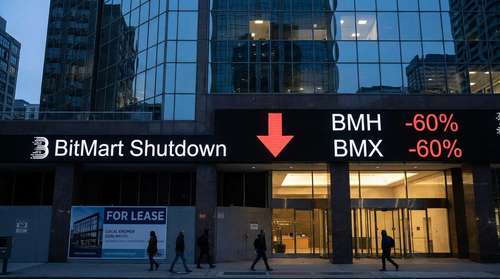
The cryptocurrency market started June 2026 on a highly volatile note, effectively erasing weeks of steady consolidation. The unfolding Bitcoin crash June 1 2026 saw the flagship digital asset sliding rapidly toward the $73,000 threshold. In just 24 hours, heavy bearish pressure wiped out roughly $80 billion in total market value, leaving retail and institutional investors scrambling for answers. When the Bitcoin price drops below 73k, it rarely happens in a vacuum. This sudden downturn was directly triggered by severe Middle East tensions following targeted U.S. military strikes on Iranian radar and drone control facilities. These aggressive maneuvers promptly resulted in a retaliatory attack from Tehran on an American air base. The rapid exchange of military fire has thoroughly shaken global risk markets, setting the stage for one of the most turbulent trading weeks of the year.
The US Iran Conflict Impact on Crypto Markets
The US Iran conflict impact on crypto assets has been immediate and severe, illustrating exactly how sensitive digital markets have become to global military escalations. Over the weekend and into early Monday morning, the escalating conflict near the Strait of Hormuz spooked financial institutions globally. As traditional equity futures plunged and crude oil prices spiked, the digital asset ecosystem fell victim to a massive geopolitical risk-off crypto selloff.
Historically, some maximalists have positioned Bitcoin as a digital safe haven—a pristine asset immune to state-level conflicts. Yet, during sudden geopolitical shocks, it often trades remarkably like a high-beta technology stock. The looming threat of an extended military conflict has sparked fears of sticky inflation, rising energy costs, and consequently, delayed interest rate cuts from the Federal Reserve. When capital rapidly rotates out of the digital economy into traditional safe havens like gold and government bonds, the result is a broader crypto market crash 2026. This macroeconomic shift has not only dragged down Bitcoin but has also severely impacted major altcoins, with Ethereum losing its foothold above critical support levels and other alternative networks experiencing steep double-digit declines.
Cascading Wipeout: Bitcoin Liquidations Today Top $290 Million
The sharp breakdown in spot prices inflicted maximum pain on leveraged derivative traders who were entirely caught off guard by the geopolitical news cycle. Breaking crucial support levels initiated a brutal cascade of forced closures across major global derivative exchanges. Bitcoin liquidations today alone topped $290 million, heavily punishing bullish traders who were over-leveraged on long positions and betting on a quiet summer rally.
When spot prices began plunging in the early Asian trading hours, the automated liquidation engines on major platforms like Binance, Bybit, and OKX kicked into high gear. This staggering $290 million derivative wipeout directly contributed to the downward volatility. When long positions are liquidated, the trading engine automatically sells the underlying asset, which naturally drives prices even lower and triggers the next cluster of stop-losses. The total weekend damage across the broader digital asset landscape actually approached the $1 billion mark, highlighting the profound fragility of an ecosystem heavily dependent on leverage. For retail traders, this serves as a harsh reminder of how quickly leveraged portfolios can evaporate when macroeconomic Black Swan events materialize without warning.
Institutional Flight: Analyzing Crypto ETF Outflows June 2026
Adding significant fundamental pressure to the derivatives wipeout was an aggressive withdrawal of institutional capital. The crypto ETF outflows June 2026 data reveals a stark, immediate shift in sentiment among Wall Street asset managers. Spot Bitcoin ETFs, which had previously served as a reliable pillar of buying pressure throughout the spring, experienced massive net redemptions as portfolio managers sought to de-risk their broader portfolios.
Heavyweight funds like BlackRock's IBIT logged severe single-day outflows, ranking among the largest on record, as institutions pulled back their market exposure amid the geopolitical uncertainty. This institutional flight validates the thesis that traditional finance players still view Bitcoin strictly as a highly speculative asset class during periods of kinetic military conflict. The combination of structural ETF shedding and the chaotic derivative market panic perfectly encapsulated the perfect storm that drove the asset down.
What Traders Are Watching Next
With the industry's Fear and Greed Index plunging deep into extreme fear territory, market analysts are closely monitoring key support zones. Technical chart experts suggest that if the geopolitical situation fails to de-escalate quickly, further downside price discovery could push the asset to test the $71,000 to $72,500 range. Market participants must brace for sustained volatility throughout the week. The ongoing situation in the Middle East will remain the primary macroeconomic headwind dictating near-term price action, leaving traders waiting for a definitive stabilization of global tensions.