The energy inside The Venetian is palpable as the Bitcoin 2026 Las Vegas conference enters its final day. Over 30,000 attendees have gathered for the industry’s premier event, but the spotlight is split between two major unfolding storylines. On the conference floor, excitement is mounting over a highly anticipated Strategic Bitcoin Reserve framework. Meanwhile, traditional finance and crypto markets alike are holding their collective breath for today’s pivotal macroeconomic catalyst: the FOMC rate decision April 2026. This intersection of historic digital asset policy and critical central bank maneuvering has set the stage for explosive market volatility.
For traders and policymakers tracking developments on cryptovot, the stakes have rarely been higher. A confluence of geopolitical tensions, sweeping legislative efforts, and shifting Federal Reserve leadership is forcing a dramatic repricing of risk assets. Analysts are issuing rapid-fire updates, assessing whether the world's leading cryptocurrency will capture the momentum needed to surge past $80,000 or suffer a sharp retracement amid macroeconomic uncertainty.
White House Teases the Strategic Bitcoin Reserve
The most defining moment of the conference so far arrived when White House advisor Patrick Witt took the stage. As lawmakers continue pushing to enshrine the administration’s digital asset policies into law, Witt teased that a "big announcement" regarding the mechanics of a Strategic Bitcoin Reserve is expected within the coming weeks. His team has been actively studying the legal frameworks required to safeguard digital assets on the government’s balance sheet.
This revelation sent shockwaves through the audience, validating years of advocacy from industry leaders. Senator Cynthia Lummis reinforced this momentum during her keynote address, characterizing the original cryptocurrency as "freedom money" that guarantees financial independence and can serve as a refuge from poor monetary policy. The prospect of the United States holding a formalized, sovereign reserve of digital assets is rapidly transitioning into federal policy.
Market Heavyweights Project Six-Figure Targets
The macroeconomic backdrop is adding fuel to these bullish fires. Maelstrom CIO Arthur Hayes delivered a blistering keynote, projecting that a combination of increased wartime defense spending and credit creation will drive the asset’s year-end price to $125,000. With the U.S. government facing a massive defense budget, Hayes argues that the resulting liquidity injection will vastly outweigh any potential economic headwinds.
Bracing for Jerome Powell's Final Meeting
Despite the immense optimism inside the conference halls, reality awaits at 2:00 PM EDT today. The Federal Reserve is scheduled to release its latest policy statement, marking what is widely expected to be the Jerome Powell final meeting before his term expires on May 15. Markets are overwhelmingly pricing in no immediate rate cuts, with the target range expected to hold steady at 3.50% to 3.75%.
Powell is likely to emphasize caution during his final press conference. Stubbornly high inflation and elevated energy prices—exacerbated by recent Middle East oil shocks—have complicated the central bank's glide path. Investors are desperate for any forward guidance regarding when the Fed might resume its cutting cycle. For digital assets, the tone of Powell’s delivery could be the difference between a massive breakout and a risk-off liquidation cascade.
Bitcoin Price Analysis: $80K Breakout or Pullback?
Comprehensive Bitcoin price analysis reveals a market coiled like a spring. Technical indicators suggest that breaking the psychological resistance at $80,000 requires a clear dovish signal from the Fed or immediate confirmation of the sovereign reserve plan. However, the looming threat of prolonged high interest rates, coupled with surging crude oil costs, presents a formidable headwind.
If Powell strikes a hawkish tone regarding the labor market and energy-driven inflation, risk assets could face a sharp, near-term retracement. Conversely, if the transition to incoming Fed Chair nominee Kevin Warsh is framed as a pivot toward eventual easing, the liquidity floodgates may open sooner than anticipated. Hayes highlighted that recent adjustments to banking regulations, such as the Enhanced Supplemental Leverage Ratio, could unlock up to $4 trillion in commercial bank lending capacity, acting as a massive multiplier for risk assets.
The Crypto Clarity Act's May Deadline
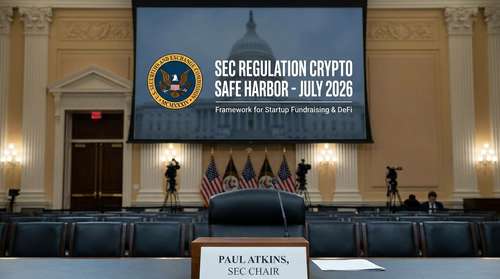
Beyond monetary policy, the regulatory landscape is racing toward a cliff edge. The Crypto Clarity Act, a comprehensive market structure bill that cleared the House with bipartisan support last summer, is facing a critical deadline. Senator Lummis pledged to attendees that the Senate Banking Committee will finally mark up the legislation in May.
The legislation aims to end years of jurisdictional battles between the SEC and the CFTC, firmly categorizing many digital assets as commodities rather than securities. Currently, the regulatory progress made is largely sub-statutory and could be reversed by future administrations without congressional action. Friction over stablecoin yield rules and DeFi provisions continues to stall progress in the Senate. Industry analysts warn that if the markup slips past mid-May, the shrinking legislative calendar ahead of the 2026 midterms could effectively kill the bill's chances for the year.
As the final panels wrap up at The Venetian, the digital asset ecosystem stands at a historic crossroads. Between the very real possibility of a U.S. sovereign reserve, a critical pivot at the Federal Reserve, and looming legislative deadlines, the next few weeks will dictate the trajectory of decentralized finance for the rest of the decade.